Is Bitcoin a Scam? Addressing the Biggest Cryptocurrency Concerns
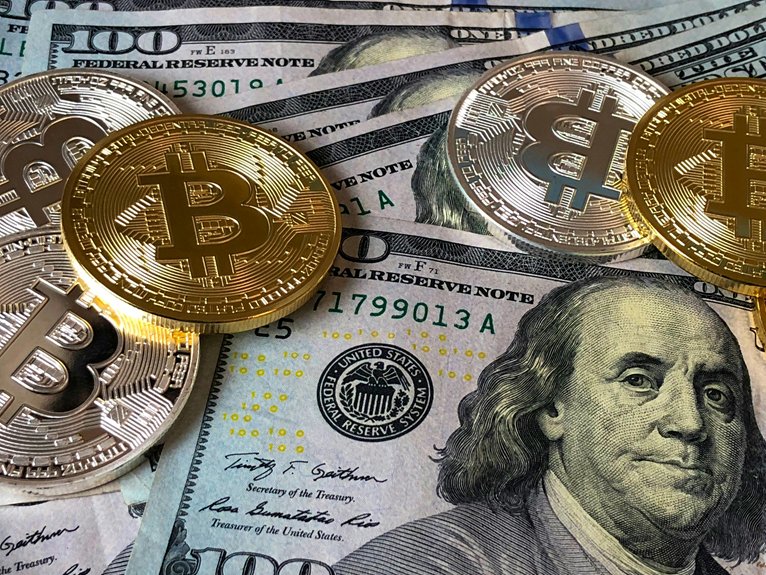
Bitcoin often stirs up heated debates, with opinions swinging from visionary innovation to outright fraud. Many people associate it with scams due to its ties to illegal activities and wild price fluctuations. However, the reality is more nuanced. Understanding the underlying technology and the market dynamics is essential. What makes Bitcoin different from other financial systems, and how can you navigate its complexities? Let’s explore these pressing questions.
Understanding Bitcoin: What It Is and How It Works
Understanding Bitcoin requires grasping both its fundamental principles and its underlying technology.
At its core, Bitcoin is a decentralized digital currency that enables peer-to-peer transactions without the need for intermediaries, like banks. It operates on a network of computers, where participants verify transactions and maintain a public ledger.
You create a Bitcoin wallet to store your digital currency, which consists of a public address for receiving funds and a private key for accessing your balance.
Bitcoin transactions are secure and irreversible, promoting transparency while protecting users’ identities.
As you explore Bitcoin, you’ll notice its volatility, driven by market demand and speculation, making it essential to stay informed and approach investments with caution.
The Technology Behind Bitcoin: Blockchain Explained
Blockchain technology is the backbone of Bitcoin, enabling secure and transparent transactions without centralized authority. This decentralized ledger records every transaction across a network of computers, called nodes.
Each block contains a list of transactions, and once a block is filled, it’s linked to the previous one, creating a secure chain. This structure prevents tampering, as altering any block would require changing all subsequent blocks, making fraud difficult.
Additionally, blockchain uses cryptographic techniques to secure user identities and transaction data, enhancing privacy. By eliminating intermediaries, it allows for faster transactions and lower fees.
Common Misconceptions About Bitcoin
What do you really know about Bitcoin? Many people believe that it’s only used for illegal activities, but that’s not true. While Bitcoin can be misused, most transactions are legitimate.
Another misconception is that Bitcoin is entirely anonymous. In reality, each transaction is recorded on a public ledger, making it traceable.
Some think Bitcoin guarantees high returns; however, its price is highly volatile, and investments can lead to losses.
Finally, you might hear that Bitcoin is a bubble set to burst. While it has experienced significant fluctuations, many experts argue it has long-term potential.
Understanding these misconceptions can help you make informed decisions about Bitcoin and its role in the future of finance.
The Role of Regulation in Cryptocurrency
As cryptocurrencies continue to gain traction, the role of regulation becomes increasingly critical in shaping their future. You might wonder how regulation impacts this evolving landscape.
On one hand, regulations can enhance investor protection, fostering trust in digital currencies. They can also help prevent fraud and money laundering, contributing to a more stable market environment.
On the other hand, overly stringent regulations might stifle innovation, limiting the growth potential of the cryptocurrency sector. Finding the right balance is essential.
It’s important to stay informed about how different countries approach regulation, as these policies can greatly influence market dynamics and your investment strategies.
Ultimately, understanding regulation’s role can help you navigate the cryptocurrency landscape more effectively.
Risks and Volatility: Is Bitcoin Too Risky?
How safe is investing in Bitcoin, given its notorious price swings?
Bitcoin’s volatility can be both a boon and a bane for investors. On one hand, you might see significant gains during bullish trends; on the other, sharp declines can lead to substantial losses. The cryptocurrency market is influenced by several factors, including market sentiment, regulatory news, and technological developments.
This unpredictability can create anxiety for potential investors. It’s essential to assess your risk tolerance before diving in.
Diversifying your investment portfolio can help mitigate risks associated with Bitcoin’s volatility. Remember, while the potential for high returns exists, so does the possibility of losing your entire investment.
Informed decisions and strategic planning are key to maneuvering this turbulent market.
Scams and Fraud in the Cryptocurrency Space
While maneuvering Bitcoin’s volatility, investors also need to be wary of scams and fraud prevalent in the cryptocurrency space.
With the rapid rise of digital currencies, various deceptive practices have emerged. Here are some common scams you should watch out for:
- Phishing Scams: Fraudsters create fake websites or emails pretending to be legitimate exchanges to steal your credentials.
- Ponzi Schemes: Some schemes promise high returns with little risk, relying on new investors to pay earlier ones.
- Pump and Dump: Scammers artificially inflate a coin’s price through misleading hype, then sell off their assets, causing the price to plummet.
- Fake ICOs: Fraudulent Initial Coin Offerings can trick investors into funding non-existent projects.
Stay vigilant and always conduct thorough research before investing.
The Impact of Media Coverage on Bitcoin Perception
Media coverage considerably shapes how people perceive Bitcoin and other cryptocurrencies. When news outlets highlight Bitcoin’s price surges, they often spark interest and investment, portraying it as a lucrative opportunity.
Conversely, when they focus on hacks or scams, it fosters skepticism and fear. This duality can lead to polarized opinions among potential investors. You might find that sensationalized headlines create misconceptions, while more balanced reporting can provide clarity.
The tone and context of coverage can also influence regulatory discussions, affecting how governments approach cryptocurrency. Understanding the media’s role helps you navigate the complexities of Bitcoin’s image.
Ultimately, recognizing the impact of media narratives equips you to make informed decisions about your engagement with cryptocurrencies.
Bitcoin vs. Traditional Currency: A Comparative Analysis
As you explore the differences between Bitcoin and traditional currency, it’s essential to understand their fundamental characteristics and functions. Here’s a comparative analysis to evaluate:
- Centralization vs. Decentralization: Traditional currencies are regulated by central banks, while Bitcoin operates on a decentralized network.
- Physical vs. Digital: Traditional currency exists in physical form (cash), whereas Bitcoin is entirely digital, stored in electronic wallets.
- Transaction Speed: Bitcoin transactions can be processed quickly, especially across borders, compared to traditional banking methods which may take longer.
- Inflation Control: Traditional currencies can be subject to inflation due to government policies, while Bitcoin has a capped supply, potentially protecting against inflation.
Understanding these differences can help you navigate the complexities of both currencies more effectively.
The Future of Bitcoin: Trends and Predictions
Given the rapid evolution of the cryptocurrency landscape, predicting the future of Bitcoin involves analyzing emerging trends and potential challenges.
As institutional adoption increases, you might see Bitcoin being integrated into portfolios as a hedge against inflation. Regulatory scrutiny could shape its trajectory; governments worldwide are still figuring out how to approach cryptocurrencies, which might influence market stability.
Additionally, technological advancements like the Lightning Network could improve transaction speeds and lower fees, enhancing usability.
However, competition from other cryptocurrencies and potential environmental concerns related to mining might pose significant hurdles.
Keeping an eye on these factors can help you better understand Bitcoin’s evolving role in the global economy and its long-term viability as a financial asset.
How to Approach Bitcoin as an Investor
While traversing the complexities of Bitcoin investment, it’s crucial to start with a solid understanding of your financial goals and risk tolerance.
Here’s how you can approach Bitcoin effectively:
- Educate Yourself: Familiarize yourself with how Bitcoin works and the factors influencing its price.
- Diversify Your Portfolio: Don’t invest all your funds into Bitcoin; consider a mix of assets to mitigate risk.
- Invest What You Can Afford to Lose: Treat Bitcoin as a speculative asset and only invest money you can afford to lose.
- Stay Informed: Keep up with market trends and regulatory changes, as these can considerably impact your investment.